A diabetic pet sitter who keeps the schedule
Meals and medications on your pet’s times, written down, and a photo update every day you’re away.
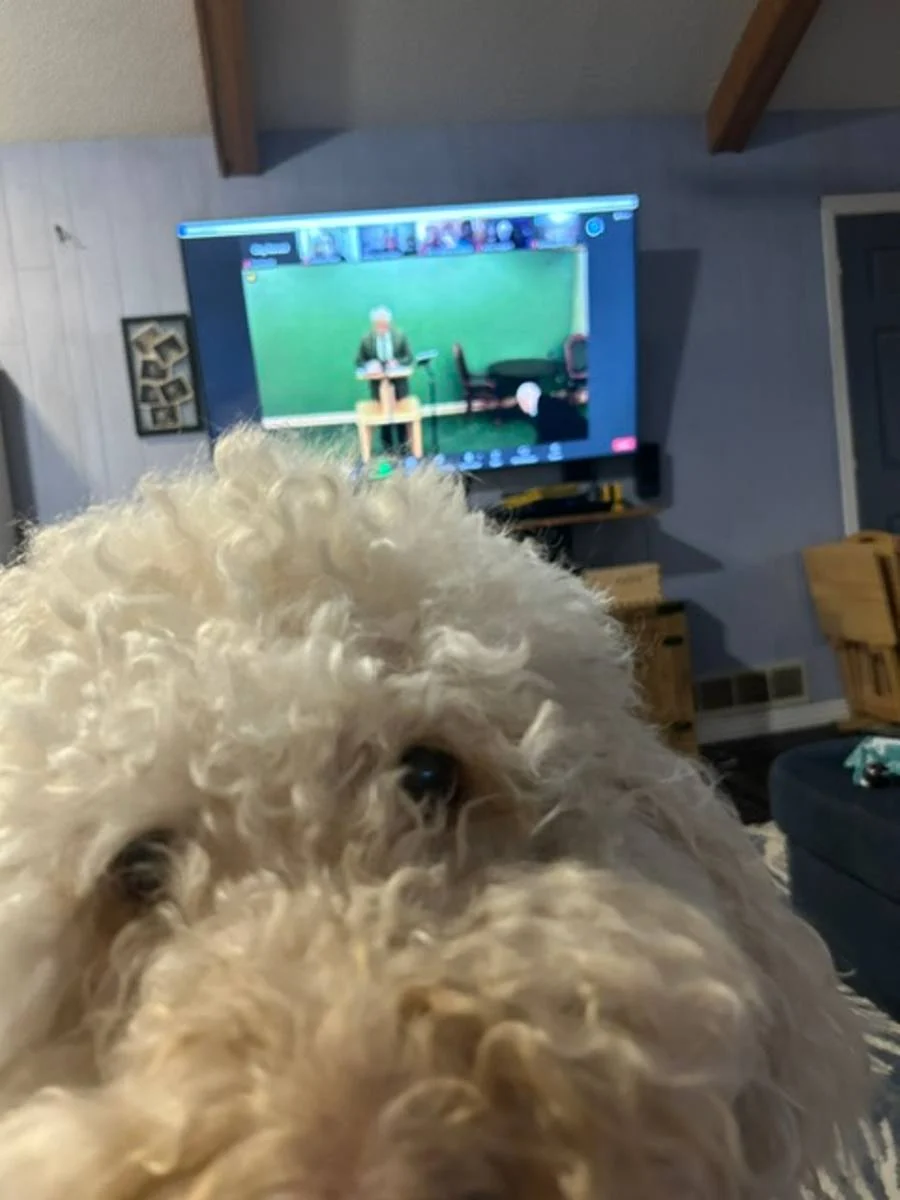
Why diabetic pets are hard to leave with just anyone
A diabetic dog or cat lives on a clock. Food, medication and water all have to line up, day after day, while you’re gone.
Most diabetic pets get insulin twice a day, about 12 hours apart, and many vets pair each dose with a meal. A sitter who runs late, guesses at portions or misses a skipped breakfast can throw that balance off. You need someone who follows your vet’s plan exactly and tells you the moment something looks wrong.
Meals on the clock
Breakfast and dinner at the same times you use at home, with the same food and the same portions.
Doses written down
Medication schedules go into the care plan with doses and times, so nothing is left to memory.
Low blood sugar noticed
Weakness, wobbling or unusual sleepiness can mean blood sugar has dropped. Your sitter watches for it at every visit.
Small changes logged
Did they finish their food? Drinking more than usual? You hear about appetite, thirst and energy every day.
From a family with a diabetic dog
Our family loves taking week-long vacations, but leaving our two dogs behind is never easy. One of our dogs is partially blind and deaf, and the other has diabetes… Hope took exceptional care of both of our dogs. She contacted us whenever she had a question, and she regularly sent pictures and updates so we always knew how they were doing.
She gave us complete peace of mind by sending regular updates, photos, and messages letting us know how everything was going.
Your vet’s plan, followed to the letter
Nothing your vet has set up changes. Hope’s team learns your pet’s routine, writes it down and sticks to it.
Walk through the routine
At the free walkthrough you show Hope or one of her sitters the food, the portions, the meal and medication times, how your pet acts on a normal day, and your vet’s number.
Write the care plan
All of it goes into a written plan, including what your vet wants done if your pet won’t eat or seems weak. If something is outside what Hope can safely do, she tells you before you book.
Keep the clock
Meals and medication schedules happen at the planned times. Food eaten, water and energy are noted in your daily text and photo update.
Report right away
If your pet skips a meal, seems wobbly or just isn’t themselves, Hope contacts you right away and follows the steps in the plan, including calling your vet.
Twice-a-day schedules are why many diabetic pets do best with overnight pet sitting: your sitter is there for both the evening meal and breakfast.
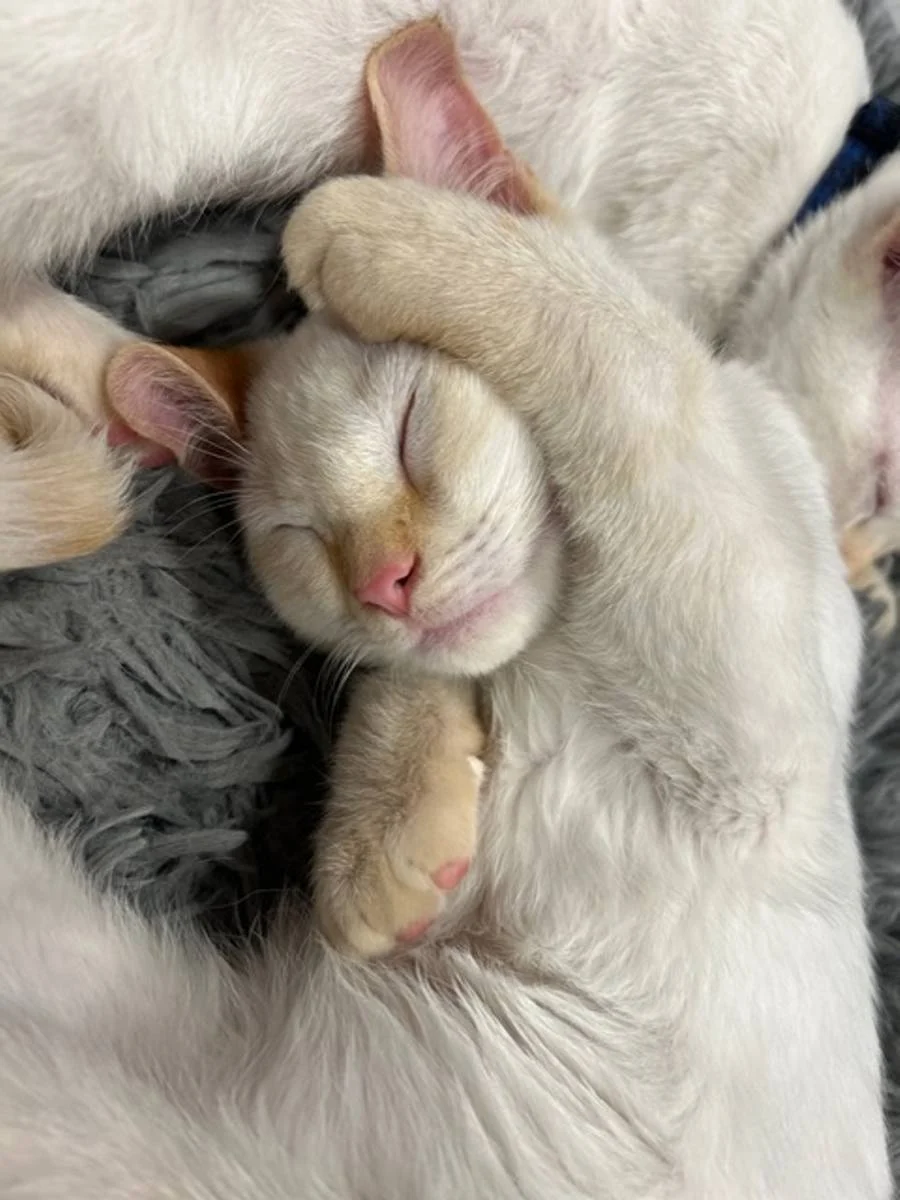
Signs your sitter watches for
The Cornell Feline Health Center lists weakness, lethargy, vomiting, lack of coordination and, in severe cases, seizures as signs that a diabetic pet’s blood sugar has dropped too low. High blood sugar tends to show up more slowly, as extra thirst, extra urination and weight loss.
- Appetite at every meal
- Water intake and litter or potty habits
- Energy, balance and alertness
Source: Feline diabetes, Cornell Feline Health Center. Your own vet is always the authority on your pet.
What to have ready at the walkthrough
The more Hope knows up front, the safer the sit. Bring out or write down:
- Meal and medication times
- Food brand and exact portions
- Medications, doses and where they’re kept
- Your vet’s plan for low blood sugar
- Vet and emergency contacts
- What “normal” looks like for your pet
Hope’s experience with sick animals started at 14, volunteering at a veterinary hospital in Golden. Read Hope’s story
Diabetic pet sitting questions
Can Hope give my pet insulin?
Medication schedules are part of every care plan, with doses and times written down. Tell Hope exactly what your pet needs at the walkthrough and she’ll tell you honestly what she can do.
What if my diabetic pet won’t eat?
A skipped meal matters for a diabetic pet. Hope contacts you right away and follows the instructions your vet gave you for that situation, which go into the care plan at the walkthrough.
Do you work with diabetic cats as well as dogs?
Yes. Diabetic dogs and cats both need steady meal times and close watching. Hope works with both.
Is an overnight or drop-in visits better for a diabetic pet?
For pets on a morning and evening schedule, an overnight is usually the better fit because your sitter is there for both meals and through the night. Hope will give you her honest suggestion at the walkthrough.
How much does diabetic pet sitting cost?
Overnights are $120 a night for one dog, and new clients get their first stay at $100 a night. Because every diabetic pet’s routine is different, Hope confirms your exact rate at the free walkthrough, before you book anything.
Show Hope your pet’s routine before you go.
Hope or one of her sitters comes to your home, meets your diabetic pet and writes the care plan with you. No charge, no obligation.
Insured. Westminster local. Your pets stay home.
Thank you. Hope has your request.
She'll reach out personally to set up your free walkthrough. If your trip is coming up soon, call or text 720-786-0801.