Leaving a senior dog when you travel
How to keep an older dog safe, comfortable and calm at home while you’re away.
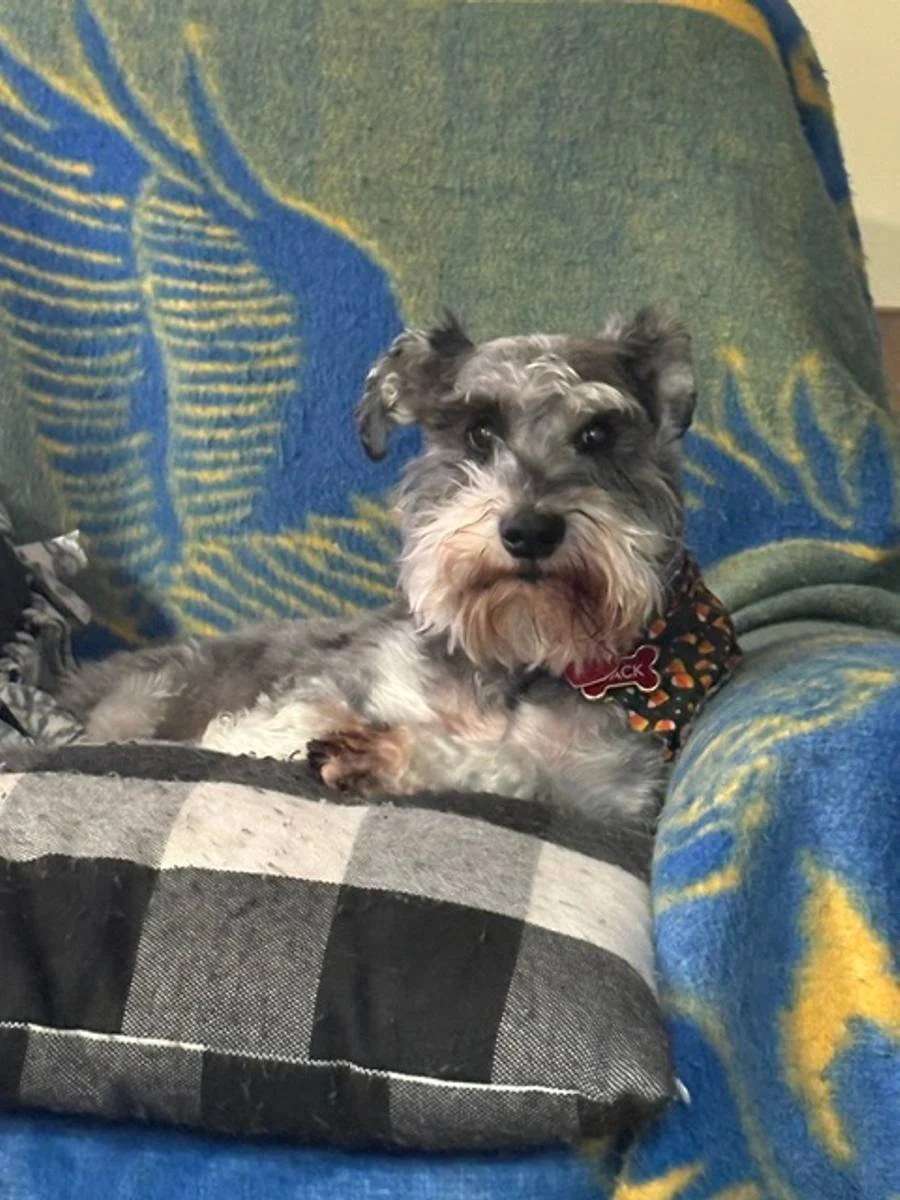
The safest way to leave a senior dog when you travel is usually at home, on their normal schedule, with one sitter who knows their medications and stays overnight. Older dogs cope worst with change. A familiar house, the same meal times and someone watching for small shifts in appetite, energy and behavior protect them far more than any single fancy extra.
This guide covers why routine matters so much for an older dog, how to set up the house, what to do about medications, which signs a sitter should watch for, and what to write down before you leave.
Why routine matters more as dogs age
A dog’s world gets smaller with age. Eyesight and hearing fade, joints stiffen, and many older dogs lean on habit to feel safe: where the water bowl is, which door leads outside, when dinner comes. Take those cues away and a calm dog can become restless, clingy or confused.
The American Animal Hospital Association’s 2023 Senior Care Guidelines for Dogs and Cats describe senior care as a mix of medical care, behavior management and changes to the home. A trip touches all three. The less you change while you’re gone, the less your dog has to adjust to.
- Keep the clock the same. Breakfast, dinner, medications and potty breaks at the times your dog already expects.
- Keep the sleeping spot the same. Their own bed, in the room where they usually sleep.
- Keep the people steady. One sitter for the whole trip is easier on an older dog than a rotating cast of visitors. With Hope, ask for the same sitter for the whole trip, and she’ll plan for it when she can.
Mobility and comfort at home
Before you leave, walk through the house as if you were your dog. Look for the places that are already hard and make them easier, then leave them exactly that way.
- Floors. Runners or yoga mats on slick tile and wood give stiff legs something to grip. Leave them where your dog is used to finding them.
- Stairs. If your dog struggles on steps, use a baby gate and show your sitter how you help them up and down, or which floor they should stay on.
- Beds and water. A thick, low bed away from drafts, and water on the floor they spend the day on.
- Getting outside. Note any ramp, the easiest door to the yard, and how long your dog can comfortably be out in cold or heat.
Exercise should match your dog now, not the dog they were five years ago. Write down the walk your dog actually enjoys today, whether that’s a short loop or ten minutes sniffing the yard.
Medications and meals
Many senior dogs take something every day: pain or arthritis medicine, thyroid pills, heart medicine, supplements. Missed or doubled doses are one of the easiest problems to prevent.
- Make a written list with each medicine, the dose, the time, and whether it goes with food.
- Leave enough for the whole trip plus a few extra days, in the original labeled containers.
- Show your sitter how your dog takes it: in a treat, in a pill pocket, or wrapped in cheese.
- Ask your sitter to note each dose, so nothing gets missed or doubled.
If your dog needs something more involved, tell your sitter exactly what it is before you book. With Hope, that conversation happens at the free walkthrough, and she’ll tell you honestly what she can do.
Measure out food, or leave the scoop and the exact amount. Sudden diet changes can upset an older dog’s stomach, so pack enough of the usual food for the whole stay.
Signs a sitter should watch for
Older dogs often show trouble quietly. These are the changes worth a same-day text to you:
- Appetite and water. Skipping a meal, eating only half, or drinking much more or less than usual.
- Energy. Unusual tiredness, not wanting to get up, or new trouble standing, walking or lying down.
- Accidents. Peeing or pooping in the house in a dog who’s normally reliable, or vomiting and loose stool.
- Confusion. Getting stuck in corners, staring at walls, pacing at night, or not seeming to recognize familiar places.
That last group matters. AAHA’s guidance on cognitive dysfunction and anxiety in senior pets lists disorientation, changes in sleep and wake cycles, loss of house training and increased anxiety among the signs to watch. Stress from a change in routine can bring them out, so tell your sitter what’s normal for your dog and what isn’t.
What to tell your sitter
Write it down, even if you also walk your sitter through it in person. A good note for a senior dog covers:
- The daily schedule, hour by hour, including the last potty break at night.
- Every medication, dose and time, plus where the extra supply is.
- How your dog gets up, walks, and handles stairs, and how you help.
- What’s normal: how much they eat, how often they nap, any usual quirks.
- What’s not normal for them, and what should trigger a call to you.
- Your regular vet’s name and number, the nearest emergency hospital, and a note to the vet that your sitter may bring your dog in.
- Your wishes if something serious happens and they can’t reach you.
Hope turns all of this into a written care plan at the walkthrough. For more on getting ready, see the rest of Hope’s pet care guides, the FAQ page or every service Hope offers.
Why home usually beats a kennel for older dogs
A boarding kennel can work well for a young, easygoing dog. For a senior, the car ride, strange smells, hard floors, barking and a new schedule all land at once. Some older dogs stop eating or sleep poorly for days, and a kennel can’t always give the slow pace, the extra potty breaks or the close watching they need.
At home, your dog keeps their bed, their floors and their schedule. An overnight sitter is also there for the nights, which is when many older dogs need to go out, get restless, or need someone close by. That makes overnight pet sitting a good fit for many seniors, and it is why Hope’s senior pet care is built around their routine.
This guide is general advice from a pet sitter, not veterinary advice. Your own vet is always the authority on your dog’s health.
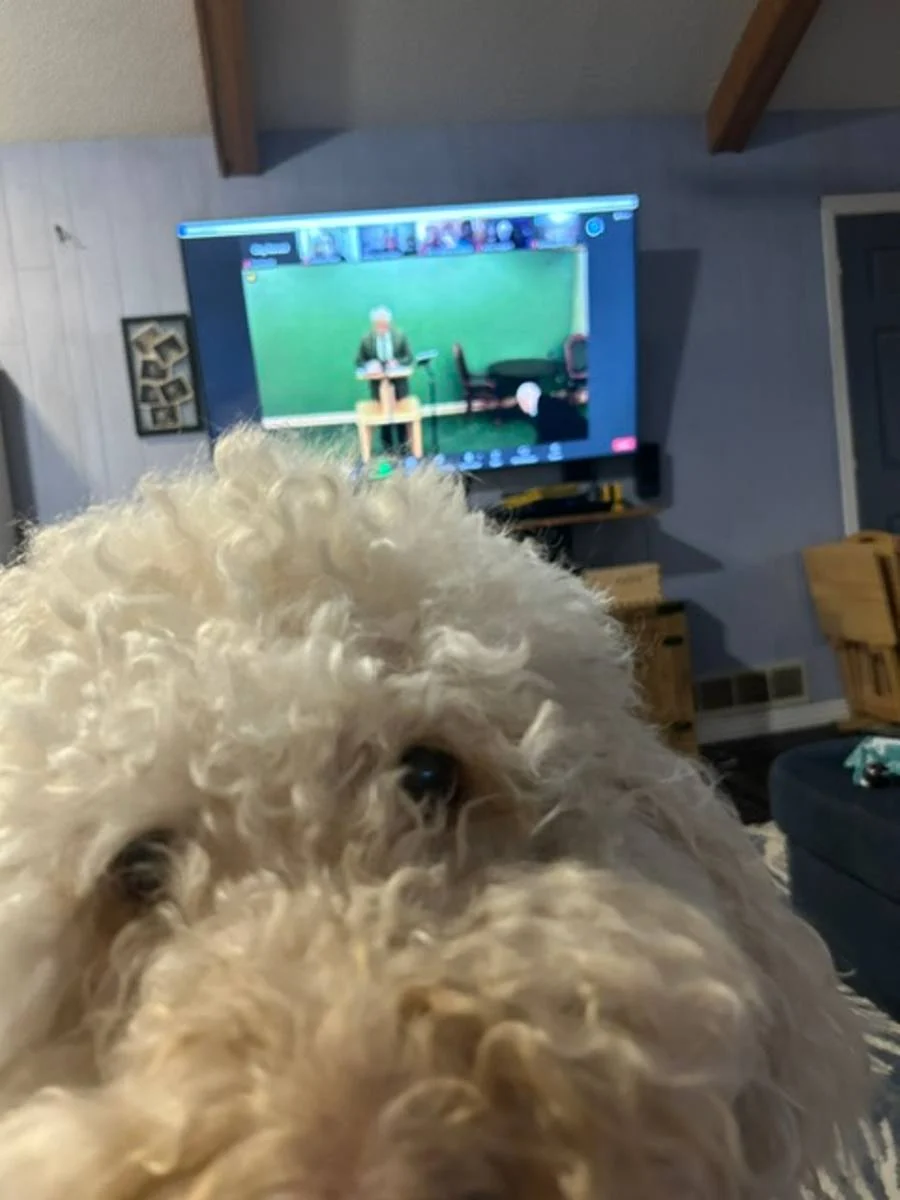
Overnights for older dogs
$120 a night for one dog
New clients: $100 a night for your first stay. Estimate your stay
Hope or one of her trained sitters sleeps at your home, so your senior dog has company through the night and a slow, familiar morning.
Schedule a free walkthroughWhat Hope does for a senior dog
Hope’s own dog Oreo is 15, so an older dog’s pace is part of her everyday life, and she trains every sitter on her team to match it.
- Same meal and potty times
- Medication schedules
- Walks at their speed
- Appetite and energy noted
- Daily text and photo
- Written care plan
Senior dog travel questions
Is it better to board a senior dog or keep them home?
For most older dogs, home is easier. They keep their own bed, floors and schedule, and avoid the noise and stress of a kennel. An overnight sitter also covers the nights, when many seniors need to go out or get restless.
Can a senior dog be left alone overnight?
It’s rarely a good idea. Older dogs often need a late or early potty break, may need medication on time, and can get anxious or confused alone. Someone staying overnight is the safer choice.
What should I leave for my senior dog’s sitter?
A written schedule, every medication with doses and times, enough food and medicine for the whole trip plus a few days, notes on mobility, your vet’s number, the nearest emergency hospital, and what to do if they can’t reach you.
What signs should a sitter watch for in an older dog?
Changes in appetite or water, low energy or trouble getting up, accidents in the house, vomiting, and confusion such as pacing at night or getting stuck in corners. Any of these is worth a same-day text to the owner.
Can Hope give my senior dog medication?
Medication schedules are part of every care plan, with doses and times written down. Tell Hope exactly what your dog needs at the walkthrough and she’ll tell you honestly what she can do.
Plan your older dog’s stay at home.
Hope or one of her sitters meets your senior dog, learns their routine and writes the care plan with you. Want Hope herself? Just ask. No charge, no obligation.
Insured. Westminster local. Your pets stay home.
Thank you. Hope has your request.
She'll reach out personally to set up your free walkthrough. If your trip is coming up soon, call or text 720-786-0801.