Caring for a feral cat while you’re away
How to keep a feral cat fed, watered and calm when you travel, indoors or out.
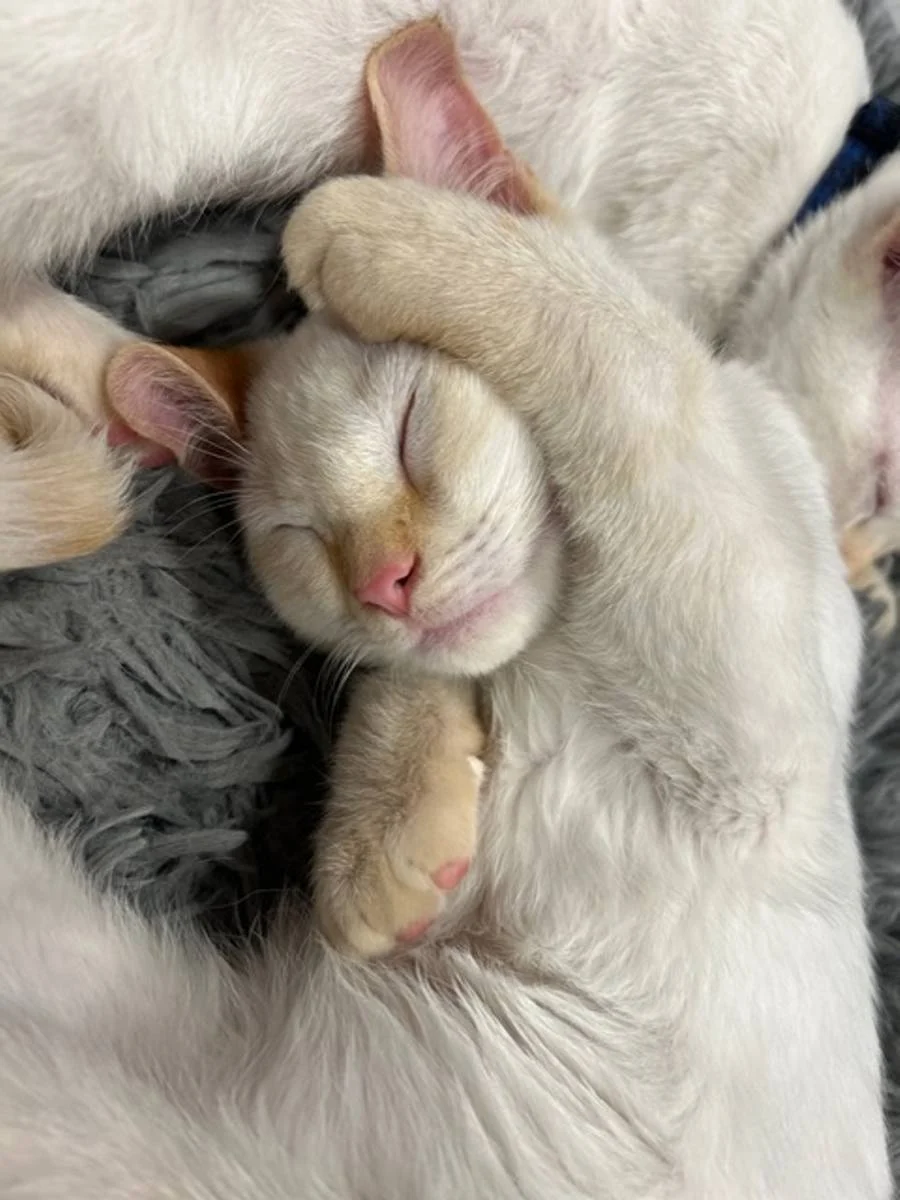
A feral cat does best when nothing changes while you’re gone: the same food, in the same place, at the same time, with fresh water every day and a caretaker who stays quiet and never tries to touch them. That’s true whether your feral cat lives inside your home or is a community cat you feed outdoors. The difference is in the details, and in what you write down for your sitter before you leave.
This guide covers both situations, plus the one Colorado problem every outdoor feeder runs into: water that freezes overnight.
Indoor ferals and outdoor community cats need different plans
An indoor feral or semi-feral cat lives in your home but was never fully socialized. Many hide from everyone except one or two people. While you’re away, the job is to feed and water them, keep the litter box clean, and confirm they’re okay without ever seeing much of them.
An outdoor community cat lives in your yard or neighborhood and counts on you for meals. The ASPCA describes community cats as outdoor, unowned, free-roaming cats, many of whom survive by avoiding close contact with people. The job here is to show up on schedule, put food and water down, and step back.
Some homes have both. Write a separate section of your instructions for each.
Keep feeding times and places exactly the same
Feral cats learn a routine fast and rely on it. A meal that shows up two hours late, or in a new spot, can mean a cat that skips eating.
- Same time every day. Alley Cat Allies recommends one regular feeding time during daylight hours and one feeding area for outdoor cats.
- Same bowls, same spot. Leave the bowls where they always are. Mark the spot in a photo for your sitter if it isn’t obvious.
- Pick up leftovers outdoors. Alley Cat Allies advises not leaving uneaten food out more than about 30 minutes, since it draws bugs and wildlife.
- Same food. Travel is not the week to switch brands.
If your trip crosses the end of daylight saving time in early November, decide ahead whether the sitter follows the clock or the cats’ daylight routine, and write it down.
Fresh water every day, and keeping it unfrozen in winter
Indoors, water is simple: a clean bowl, refilled at every visit. Outdoors in Colorado, a bowl that’s full at 5 p.m. can be solid ice by morning from late fall into spring.
Alley Cat Allies’ cold weather tips for outdoor cats suggest a few ways to keep water drinkable:
- A heated electric water bowl, if you have an outdoor outlet.
- Deep plastic bowls rather than metal, set in a sunny spot and out of the wind.
- A covered or insulated feeding station that shields food, water and the cats from snow.
- Warm water at each visit, and fresh food and water once or twice a day so nothing sits and freezes.
Before you leave, test whatever you’re using on a cold night. A heated bowl that has quietly stopped working is easy to miss. If a storm is in the forecast, ask your sitter to clear snow away from the feeding station and any shelters.
Quiet presence, and never forcing contact
A feral cat may watch the sitter for days before deciding they’re safe. A good sitter lets that happen on the cat’s schedule.
- Move slowly, speak softly or not at all, and keep visits predictable.
- Never reach into a hiding spot, corner a cat or try to pick one up.
- Outdoors, set the food down and back away. Many community cats won’t approach until the person is well clear.
- Leave the door to an indoor cat’s safe room exactly as you normally do.
Handling a frightened feral cat can get someone scratched or bitten, and it can undo months of trust you’ve built. The sitter’s job is care, not socializing.
Watching from a distance
With a cat you rarely see, the evidence does the talking. At each visit, the sitter should note:
- How much food was eaten since the last visit.
- Whether the water level dropped, or the bowl froze.
- Litter box use for an indoor cat: amount and anything unusual.
- For outdoor cats, which ones showed up and anything that looked off, like limping, a wound or a cat that stopped coming.
A photo from across the room or yard is plenty. A missed meal can happen. Two in a row is worth a call to you.
What to tell your sitter before you leave
Write it down, even if you go over it in person. A good list covers:
- Where each cat eats, sleeps and hides, with photos of the bowls and hiding spots.
- Food, amount and feeding times, plus where the extra food is stored.
- How you keep water from freezing, and what to do if the heated bowl stops working.
- For outdoor cats, a short description or photo of each regular, so the sitter can tell you who came.
- Doors and windows that must stay shut, so an indoor feral cat can’t slip out.
- Any medication schedule, your vet’s name and number, and an emergency contact nearby.
- What “normal” looks like for each cat, and when you want a call instead of a text.
At Hope’s free walkthrough, she goes through these questions with you and writes the answers into a care plan. If something your cat needs is beyond what she can safely do, she tells you honestly before you book. You’ll find more on how she works with hiding cats on the feral and shy cats page, and everyday visits on the cat sitting page.
To get a ballpark for drop-in visits, try the pet care cost calculator. More planning help is in Hope’s other pet care guides.
Sources were checked in October 2026. Follow your own vet’s advice for any cat with a health condition.
A feral cat’s family on Hope’s care
Hope was wonderful caring for our feral cat while we were away. She gave us complete peace of mind by sending regular updates, photos, and messages letting us know how everything was going. It was so reassuring to see that our cat was being cared for with such patience and compassion.
It was clear our pets were happy, well cared for, and had a wonderful time with Hope.
Feral cat care questions
Can I leave food out for a feral cat while I’m away?
Not for long. A big pile of food outdoors spoils, freezes in winter and draws wildlife, and an automatic feeder can jam with nobody checking it. A daily visit at the usual feeding time is safer for indoor and outdoor cats.
How do I keep a feral cat’s water from freezing?
Use a heated electric bowl if you can, or deep plastic bowls in a sunny, sheltered spot. Alley Cat Allies also suggests warm water and an insulated feeding station. Ask your sitter to replace the water at every visit.
Should my sitter try to pet or catch my feral cat?
No. Contact should always be the cat’s choice. Grabbing or cornering a feral cat risks bites and scratches and can set back the trust you’ve built.
How does a sitter know a feral cat is okay if it hides?
By what’s left behind: food eaten, water used, litter box activity for indoor cats, and which cats came to eat outdoors. If a cat skips meals two visits in a row, you should hear about it.
Does Hope feed outdoor community cats?
Tell Hope about every cat you care for, indoors and out, at the free walkthrough. She’ll look at your feeding setup and tell you honestly what she can do before you book.
Show Hope your cats’ routine before you travel.
Hope comes to your home, sees the bowls, the hiding spots and the feeding station, and writes the care plan with you. No charge, no obligation.
Insured. Westminster local. Your cats stay home.
Thank you. Hope has your request.
She'll reach out personally to set up your free walkthrough. If your trip is coming up soon, call or text 720-786-0801.