Caring for a blind or deaf dog while you travel
How to set up your home, your cues and your sitter so your dog’s week feels normal.
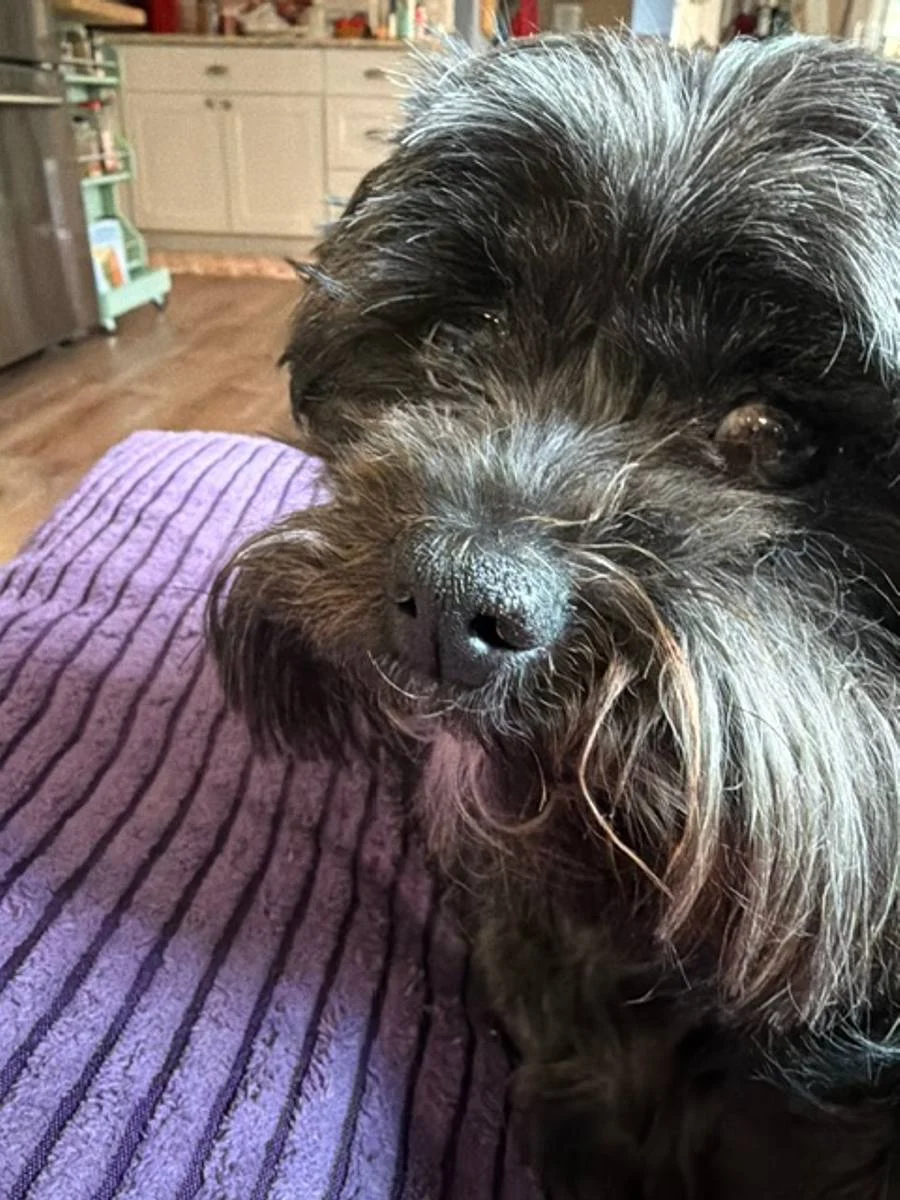
The safest way to leave a blind or deaf dog while you travel is to keep them at home, in a layout they already know, with a sitter who has learned their cues before you go. Leave the furniture alone, mark doors and stairs by scent or texture, write down the hand signals or touch cues your dog uses, and walk your sitter through all of it in person. A dog who navigates by memory does best when nothing about the house changes except who is filling the bowl.
This guide covers the practical side: what to set up, what to teach the sitter, and why a stay at home usually beats a kennel for these dogs. If you want to see how Hope handles it, read about her care for blind and deaf dogs.
Keep the layout exactly as your dog knows it
A blind dog carries a mental map of your home. The American Kennel Club’s guide to living with a blind dog puts it simply: don’t rearrange the furniture. Travel is when well-meaning changes sneak in, so check these before you leave.
- Pack in a room your dog doesn’t use. Suitcases and bags in a hallway are new obstacles on an old route.
- Leave food, water and the main bed where they are. Those spots are home base, where your dog goes to get their bearings.
- Don’t schedule a repair or delivery that moves things. A new rug or a shifted couch can wait until you’re back.
- Tell your sitter what must stay put. Kitchen chairs pushed in, the laundry basket off the floor, the bathroom door always open or always closed.
Use scent and touch to mark the important spots
Blind dogs lean hard on smell and on what they feel under their paws. A small dab of a scent, like vanilla, on a doorframe or the bottom step tells your dog something is there. A doormat at each exterior door or a runner on a hallway gives them a texture to follow. The AKC also suggests gravel or wood chips along a yard’s edge so a dog can feel the boundary.
If you already use markers, refresh them a day or two before you leave and point each one out to your sitter. If you don’t, start them a few weeks ahead so your dog learns what they mean while you’re still home. A trip is not the time to introduce something new.
Hand signals and vibration cues for a deaf dog
A deaf dog can’t hear a name, a door or a sitter walking in. They rely on what they see and feel. The AKC’s deaf dog training guide recommends hand signals for everyday behaviors and a floor stomp to get attention, since a dog can feel that vibration. For waking a sleeping dog, it suggests holding a hand near their nose so they wake to a familiar smell.
Your sitter needs your exact system, not a general one. Write it down:
- The signal for each behavior your dog knows, such as sit, come, wait, and “good dog.”
- How you get their attention: a stomp, a light switch flick, a tap on one shoulder.
- How you wake them, and anywhere they don’t like to be touched.
- Signs they’re stressed or confused, so the sitter knows when to slow down.
If your dog is both blind and deaf, scent and touch carry nearly everything. Show your sitter how you let your dog smell your hand before any contact.
Door and stair safety
The two biggest risks while you’re away are a dog who slips out an open door and a dog who misjudges stairs. A deaf dog who gets out can’t hear anyone calling, and a blind dog outside an unfamiliar yard can’t find the way back.
- Put a gate at the top of stairs your dog doesn’t use alone, and at any door that opens onto a street.
- Ask your sitter to leash your dog before opening an exterior door, every time.
- Walk the fence line before you go and fix any gaps.
- Make sure your dog’s tag and microchip details are current, and note on the tag that your dog is blind or deaf.
- Keep pool covers, deck edges and basement doors closed or blocked.
How to brief your sitter
The best briefing happens in your home, with your dog, before the trip. Reading a note is not the same as watching how you approach your dog and how they respond. Plan for a meeting at least a week out, then put everything in writing. The pet care plan checklist gives you a full template. For a blind or deaf dog, add:
- A short tour of your dog’s routes through the house and yard, including where they tend to bump into things.
- A demonstration of every cue, with your sitter trying each one while you watch.
- Meal times, potty times and walk routes, in order, so the day runs the same.
- Any medication schedules, with doses written out.
- Your vet’s name and number, an emergency contact, and how you want to be reached.
Ask your sitter questions back. A good sitter will ask plenty of their own, and will tell you plainly if something is beyond what they can handle.
Why staying home beats a kennel for these dogs
A boarding kennel can be fine for a confident sighted dog. For a dog who maps the world by memory, it means a building they’ve never learned, new floors, new smells and staff they can’t see or hear coming. Many blind or deaf dogs spend the stay anxious, stop eating or startle when handled.
At home, the map still works. Your dog sleeps in their own bed and finds their water bowl without thinking. An overnight pet sitter adds the piece a kennel can’t: someone there through the evening and the night, in the same quiet house, keeping the same routine.
Getting your dog ready in the last week
Keep the days before you leave boring. Hold to your normal schedule, do a practice visit with your sitter if you can, and avoid big changes to food or routine. Don’t make a long goodbye. Dogs pick up on a tense house, even when they can’t see or hear it.
More planning help is in Hope’s pet care guides.
Tips on markers and cues were checked in October 2026 against the AKC articles linked above. Ask your vet about anything specific to your dog’s health.
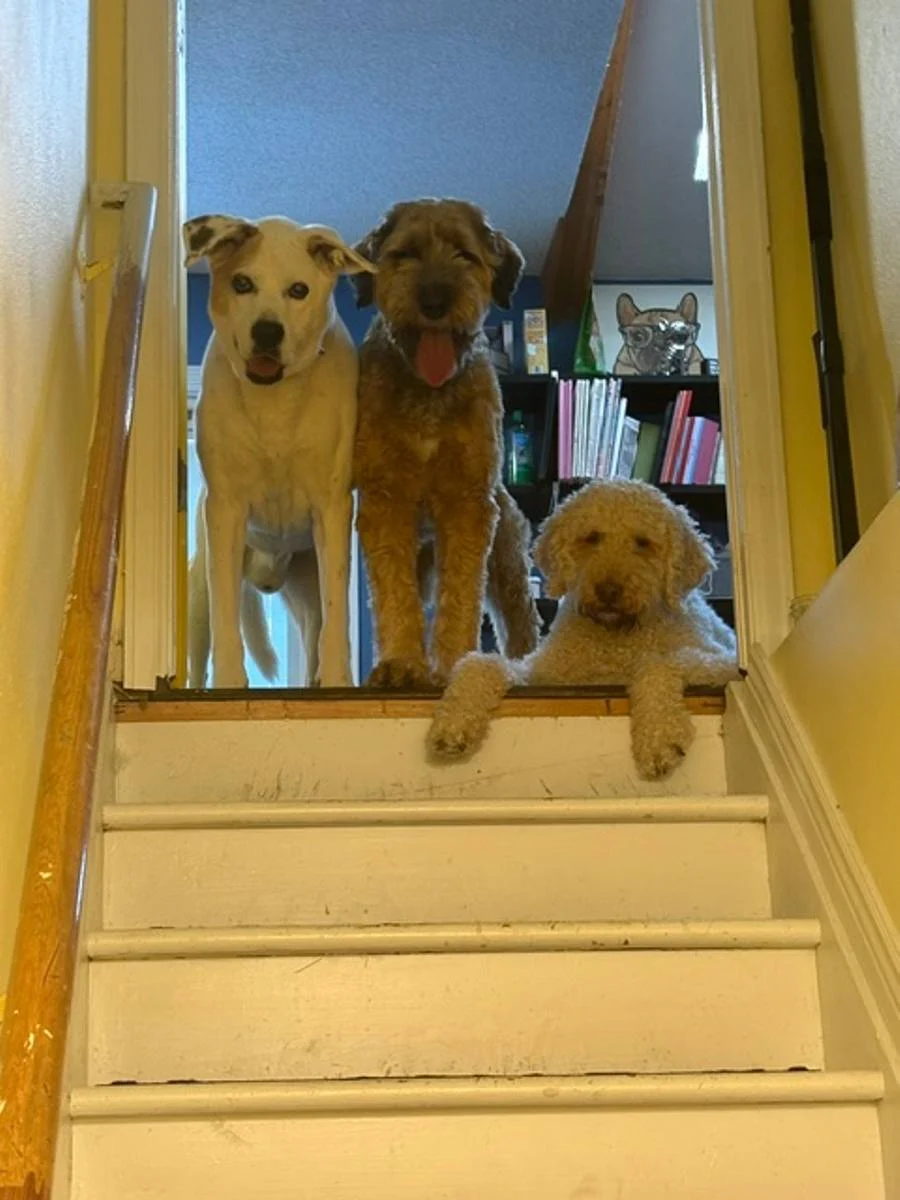
Overnights with Hope
$120 a night for one dog
New clients: $100 a night for your first stay. Estimate your stay
Blind and deaf dogs are one of Hope’s specialties. Your dog’s cues are learned at the free walkthrough, before you book anything, and written into the care plan every sitter follows.
Schedule a free walkthroughYour pre-trip list
Go through these with your sitter at the walkthrough.
- Furniture and bowls left in place
- Hand signals and touch cues
- Doors, gates and stairs
- Walk routes, always on leash
- Medication schedules
- Vet and emergency contacts
Traveling with a blind or deaf dog at home
Is it better to board a blind dog or keep them home?
For most blind dogs, home is better. They know the layout by memory, and a kennel is a space they have to learn from scratch. A sitter who keeps the house and routine the same lets your dog move around with confidence.
How do I teach a pet sitter my deaf dog’s hand signals?
Show them in person. Do each signal with your dog while the sitter watches, then have the sitter try it while you’re there. Write the list down too, with how you get your dog’s attention and how you wake them.
Should I move furniture to make room while I’m away?
No. Leave everything where your blind dog expects it, including bowls, beds and chairs. Pack in a room your dog doesn’t use so bags don’t end up on their routes.
Is an overnight sitter or drop-in visits better for a blind or deaf dog?
Many settle best with someone home through the evening and night, so an overnight is often the better fit. Hope will give you her honest suggestion at the free walkthrough.
How much does an overnight sitter cost for a blind or deaf dog?
Hope charges $120 a night for one dog, and new clients pay $100 a night for their first stay. She confirms your exact rate at the free walkthrough.
Let Hope learn your dog’s world before you go.
Hope or one of her sitters comes to your home, meets your dog the way you show them and writes down every cue. Want Hope herself? Just ask. No charge, no obligation.
Insured. Westminster local. Your pets stay home.
Thank you. Hope has your request.
She'll reach out personally to set up your free walkthrough. If your trip is coming up soon, call or text 720-786-0801.