Winter pet care tips for Colorado
Ice melt, cold walks, dry air and antifreeze: how to keep pets safe through a Front Range winter.
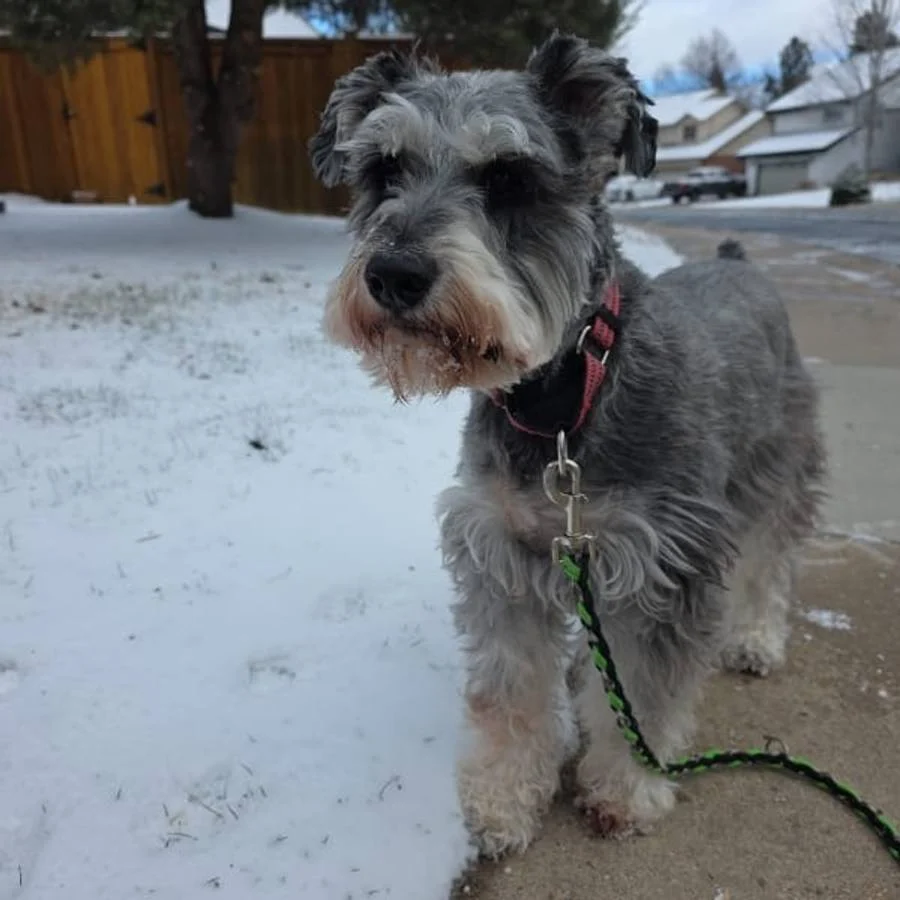
To keep a pet safe in a Colorado winter, shorten walks on the coldest days, wipe paws after every walk to remove ice melt and grit, keep antifreeze out of reach, make sure water bowls never freeze, and give older or short-coated pets extra warmth. Front Range winters swing fast, from sunny afternoons to icy mornings, so the right plan changes day to day.
The tips below follow the ASPCA’s cold weather safety tips, adapted to what winter actually looks like along the north metro, from Westminster and Broomfield to Louisville and Boulder.
Ice melt and paw care
Sidewalks, driveways and parking lots get heavy treatment with salt and chemical ice melt after every storm. It can crack and burn paw pads, and dogs lick it off their feet once they get home.
- Wipe and dry paws after every walk. A damp towel by the door is enough. Check between the toes for packed ice and grit.
- Use pet-friendly ice melt at home. Keep any chemical ice melt stored where pets can’t reach it.
- Protect the pads. The ASPCA suggests booties, or rubbing petroleum jelly or a vet-approved paw protectant into the pads before going out.
- Trim the fur between the toes on long-haired dogs so snow doesn’t ball up there.
How long should a winter walk be?
There’s no single number that fits every dog. A simple rule from the ASPCA: if it’s too cold for you, it’s too cold for your pet. A thick-coated dog may want to stay out longer than you do. A small, short-coated or senior dog may be shivering in a few minutes.
On the coldest mornings, split one long walk into two or three shorter ones, and save the longer outing for the warmest part of the day. Watch for shivering, lifting paws, slowing down or trying to turn back. Those mean it’s time to head home.
Snow and ice on the sidewalk
Colorado snow often melts in the afternoon sun and refreezes overnight, which leaves slick patches on shaded sidewalks and paths in the morning. Keep dogs on leash in snow, since scent trails are harder to follow and a dog can get lost more easily. Stay off frozen ponds and lakes. Make sure your pet’s ID tag and microchip details are up to date before the first storm.
Dry air and hydration
Colorado air is dry year round, and furnace heat makes it drier. Pets can end up with itchy, flaky skin and cracked pads. The ASPCA recommends keeping indoor air humidified and bathing pets less often in cold weather. Make sure fresh water is always out, since pets still lose plenty of moisture in a dry winter even when they don’t seem thirsty.
Keep outdoor water from freezing
If your dog spends time in the yard, or you care for outdoor or feral cats, a bowl of water can freeze solid within hours on a cold night. Check outdoor water at least twice a day, refill it, and consider a heated bowl. Outdoor cats also need a dry, sheltered spot out of the wind. Before you start the car, knock on the hood. Cats sometimes curl up near a warm engine.
Antifreeze is a winter danger
The ASPCA is direct about this: antifreeze is lethal for dogs and cats. Clean up any drips in the garage or driveway right away, store containers tightly closed and up high, and look for products made with propylene glycol rather than ethylene glycol. If you think your pet swallowed antifreeze, call your vet or the ASPCA Animal Poison Control Center at (888) 426-4435 right away.
Seniors and short-coated dogs
Older pets feel winter more. Cold can make stiff joints worse, and icy steps are harder to manage. Short-coated and small breeds lose heat quickly. For these pets:
- Use a sweater or coat on walks if your dog will wear one.
- Give them a warm bed off the floor, away from drafts and doors.
- Keep walks short and steady, and avoid icy stairs and slopes.
- Never leave a pet in a cold car. The ASPCA warns a car holds in cold much like an icebox.
Pets with special needs deserve extra thought in winter too. A blind dog can’t see an icy patch, and a deaf dog can’t hear a snowplow. A diabetic pet may need meal timing kept steady even when the weather throws off the day.
How Hope adjusts walks and visits in winter
Winter changes come straight from your written care plan, so nothing depends on memory. At the free walkthrough, Hope asks how your pets handle the cold and writes it down.
- Walks sized to the day. On the coldest or iciest days, dog walks stay shorter and on safer routes, with more time for play indoors.
- Paws and water checked. Paws get wiped after walks, and water bowls, inside and out, are checked on every visit.
- Home kept comfortable. On drop-in visits your sitter checks that the house is warm and that nothing looks wrong.
- You hear how it went. A text and photo after every drop-in, and right away if something seems off.
To estimate the cost of winter walks or visits, use the pet care cost calculator. New clients get 20% off their first booking of drop-ins or walks. More seasonal advice is in Hope’s pet care guides.
Safety tips were checked against the ASPCA’s cold weather guidance in October 2026. If your pet has a health condition, ask your vet what is safe for them in cold weather.
Winter walks and visits
Hope fits walks and drop-ins to the weather and to your pet. New clients get 20% off their first booking of drop-ins or walks.
Schedule a free walkthroughYour winter checklist
Go through these before the first big storm.
- Pet-friendly ice melt at home
- Towel by the door for paws
- Antifreeze stored up high
- Outdoor water checked twice a day
- Warm bed away from drafts
- ID tag and microchip up to date
Winter pet care questions
How cold is too cold to walk my dog?
It depends on the dog. A good rule from the ASPCA: if it’s too cold for you, it’s too cold for your pet. Small, short-coated and senior dogs get cold fastest. On the coldest days, take several short walks instead of one long one.
Is ice melt bad for dogs’ paws?
Salt and chemical ice melt can irritate paw pads, and dogs lick it off later. Wipe and dry paws after every walk, use pet-friendly ice melt at home, and consider booties or a paw protectant.
Why is antifreeze so dangerous for pets?
Antifreeze is lethal for dogs and cats even in small amounts. Clean up spills right away, store it out of reach, and call your vet or the ASPCA Animal Poison Control Center at (888) 426-4435 if you think your pet swallowed some.
How do I keep my pet’s outdoor water from freezing?
Check and refill outdoor water at least twice a day in freezing weather, or use a heated bowl. Bring water inside overnight if your pet sleeps indoors.
Does Hope still walk dogs in snow and cold?
Yes. Walks are adjusted to the weather and your dog, with shorter outings on the coldest or iciest days and paws wiped afterward. You get a text and photo after every visit.
Plan your pet’s winter care with Hope.
Hope comes to your home, meets your pets and writes down how they handle the cold. No charge, no obligation.
Insured. Westminster local. Your pets stay home.
Thank you. Hope has your request.
She'll reach out personally to set up your free walkthrough. If your trip is coming up soon, call or text 720-786-0801.