How often should a cat sitter visit?
Once a day, twice a day or overnight: how to pick the right schedule for your cat.
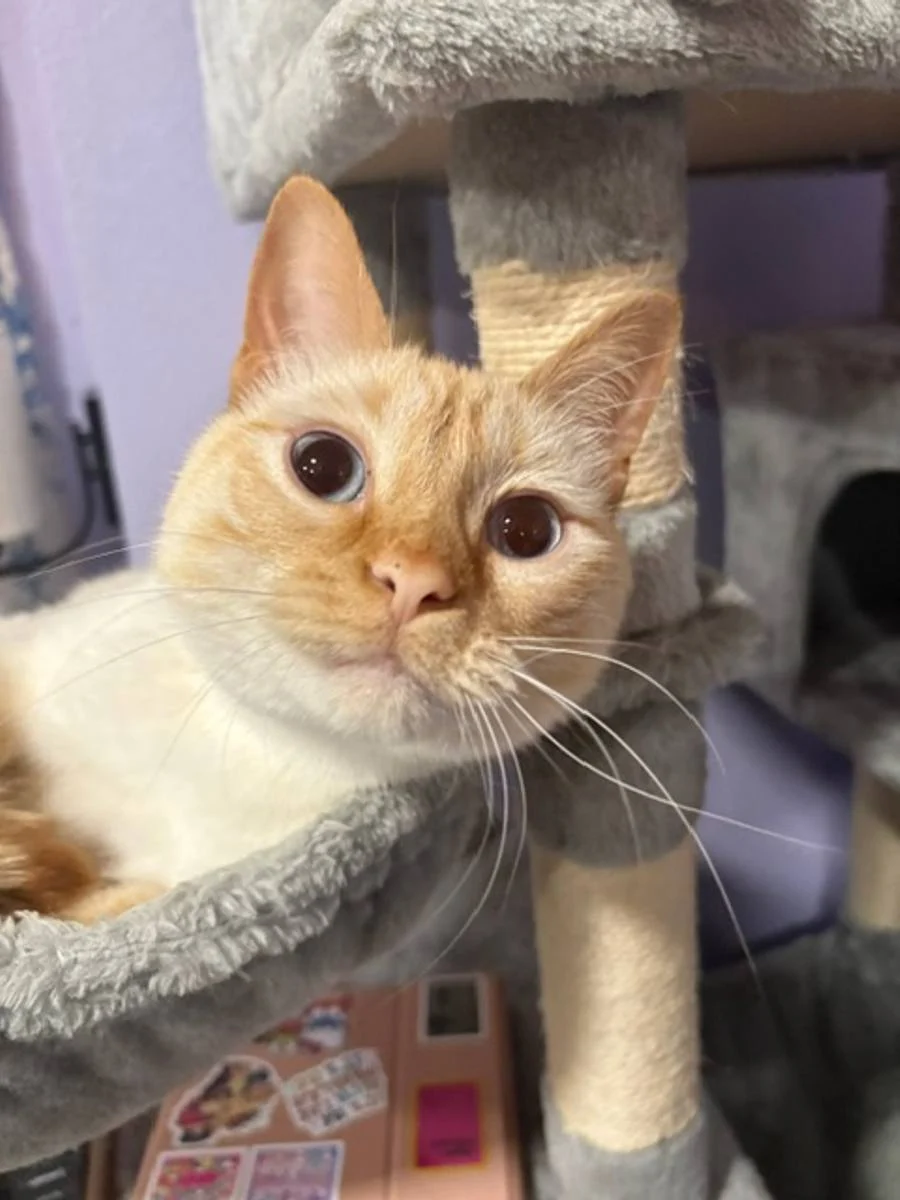
A healthy adult cat needs a sitter at least once a day, every day you’re gone. Twice a day is better for most cats, and it’s the right choice for kittens, seniors, cats on medication and homes with more than one cat. If your cat has a serious medical condition, panics when alone, or you’ll be away more than a week or two, an overnight sitter is often the safer plan.
Cats are independent, so it’s tempting to leave out a big bowl of food and ask a neighbor to look in every other day. The trouble is that the problems that hurt cats most, like not eating or not being able to pee, don’t wait two days to get serious. A daily visit is how someone notices in time.
Why every day matters, even for an easy cat
A visit is not just about refilling the bowl. It’s the only time anyone sees whether your cat is actually eating, drinking and using the litter box. Two health facts make that check important:
- A cat that stops eating needs attention. The Cornell Feline Health Center notes that hepatic lipidosis, or fatty liver syndrome, is almost always preceded by a cat refusing food, and that it’s more common in overweight cats. Its page on appetite loss says a cat that isn’t eating deserves a full veterinary workup.
- A blocked bladder is an emergency. Cornell’s page on feline lower urinary tract disease calls urethral obstruction “a true medical emergency” and says the time from full blockage to death may be less than 24 to 48 hours. Straining in the box with little or no urine is the sign to watch for.
Every-other-day visits can miss both. Automatic feeders and water fountains help, but they can jam, run dry or hide the fact that the food isn’t being eaten. Use them as a backup, not a replacement for a person.
Once a day or twice a day?
Cornell’s guide on how often to feed a cat says that once a cat is an adult, feeding once or twice a day is appropriate in most cases, and that kittens under six months do best with three meals. So the feeding schedule is a good place to start.
Once a day can work when:
- Your cat is a healthy adult who already eats once or twice a day.
- Dry food can safely be left out, or a timed feeder covers the second meal.
- Your cat is relaxed alone and you’re gone a few days, not weeks.
Twice a day is better when:
- Your cat eats wet food on a morning and evening schedule.
- You have a kitten or a senior cat.
- Your cat is social and gets lonely or restless with long gaps.
- You’ll be away longer than a long weekend.
A second visit also cuts the time between checks roughly in half. If something goes wrong after the morning visit, someone sees it that evening instead of the next day.
Cats on medication
Medication usually decides the schedule for you. If the vet says twice a day, the sitter has to come twice a day, at roughly the same times you give it. Pills and liquid meds, a diabetic cat’s meal timing, and special diets for kidney or urinary problems all need a visit that lines up with the dose, not whatever time is convenient.
Write down every dose, time and how your cat takes it best, and go over it with the sitter in person before you leave. Hope puts medication schedules into a written care plan at the walkthrough. Tell her exactly what your cat needs and she’ll tell you honestly what she can do.
Homes with more than one cat
More cats means more to check. With two or three cats sharing bowls and boxes, it’s harder to tell who ate and who didn’t, and litter boxes fill faster. Twice-daily visits are a good default here, so the boxes stay clean and the sitter can watch each cat eat.
Watch for cats who guard food or bully a quieter housemate. If one cat needs a prescription diet, the sitter may need to feed them in separate rooms, which takes a little longer each visit.
Shy, hiding and feral cats
Some cats vanish under the bed the moment the door opens and don’t come out until the sitter leaves. That’s normal, and a good sitter won’t drag them out. But it means the sitter has to check indirectly: is the food going down, is water being drunk, is the litter being used, are there signs of vomiting.
For these cats, twice a day helps. Two visits give two chances to confirm the cat is eating and using the box, and the cat gets used to the sitter’s voice faster. Feral and semi-feral cats, indoors or out, often need a steady, quiet routine at the same times each day. Hope’s page on care for feral and shy cats explains how she approaches them.
When an overnight is the better choice
Drop-in visits suit most cats. An overnight sitter, who sleeps at your home, makes more sense when:
- Your cat has a serious or changing medical condition and needs someone close by through the night.
- Your cat gets very distressed alone, cries for hours or stops eating when you’re away.
- You also have a dog, who needs walks and company that a few short visits can’t cover.
- You’ll be away for a long trip and want someone in the house, with mail, plants, lights and trash looked after too.
Hope offers both. You can read how her visits work on the cat sitting page, and get an estimate for once-daily visits, twice-daily visits or overnights with the pet care cost calculator. More planning help is in the rest of Hope’s pet care guides.
Health information on this page comes from the Cornell Feline Health Center pages linked above, checked in October 2026. It’s general guidance, not veterinary advice. Ask your vet about your own cat.
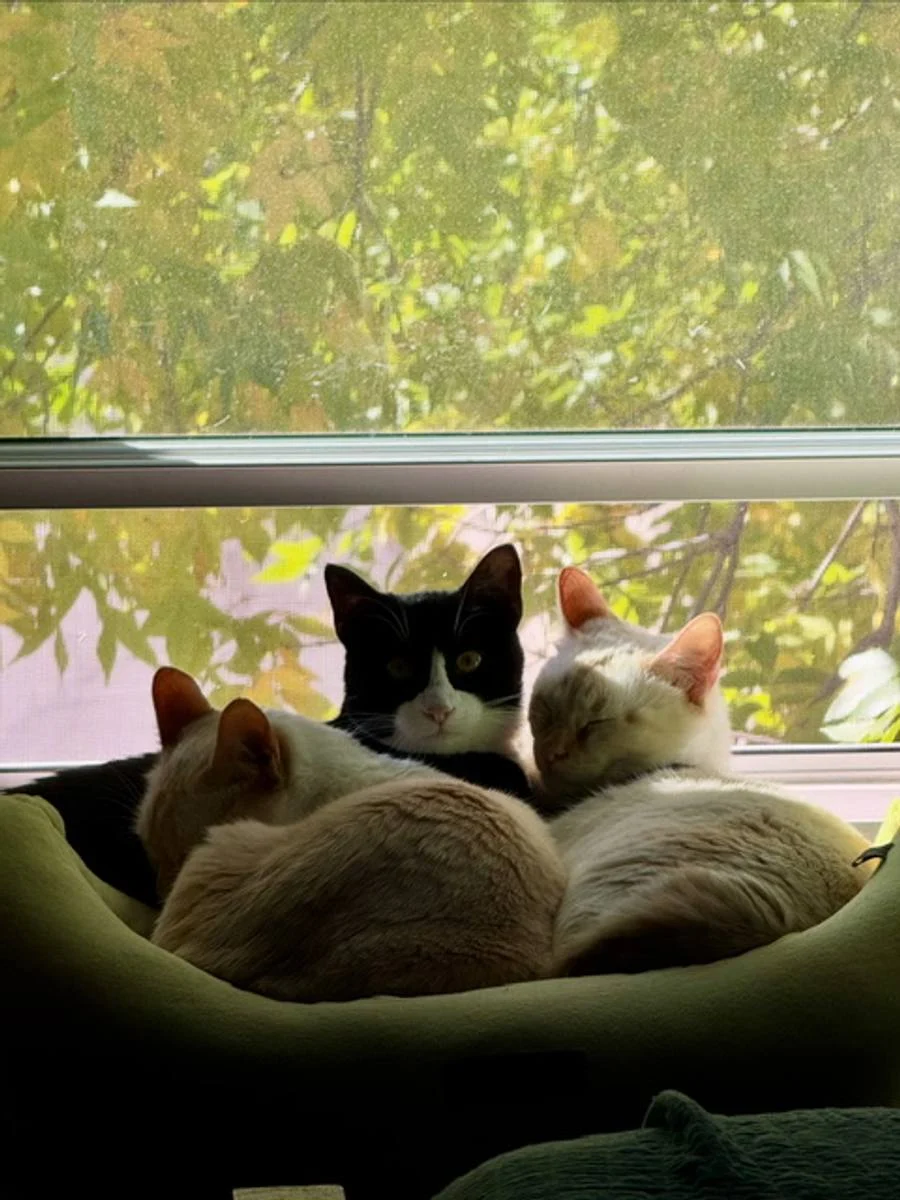
Not sure how many visits?
Hope meets your cat at a free walkthrough, looks at feeding times, meds and litter setup, and suggests a schedule. You decide, before you book anything.
New clients get 20% off their first booking of drop-in visits. Estimate your visits
Schedule a free walkthroughWhat a sitter should check every visit
Whatever the schedule, each visit should cover the same basics.
- Food eaten since last visit
- Fresh water
- Litter scooped and checked
- Medication on schedule
- Hiding cats accounted for
- Text and photo to you
Cat sitter visit questions
Can I leave my cat alone for two days with no visits?
It’s not a good idea. Without a daily visit, nobody would notice if your cat stopped eating, ran out of water or couldn’t use the litter box. Cornell’s Feline Health Center calls a blocked bladder a true emergency that can turn fatal in less than 24 to 48 hours.
Is one cat sitter visit a day enough?
For a healthy, relaxed adult cat on a short trip, often yes. Choose two visits a day for kittens, seniors, cats on medication, cats who eat wet food twice a day, multi-cat homes and longer trips.
How long should a cat sitter visit last?
Long enough to feed, refresh water, scoop the litter, give any medication, check on every cat and spend some time with them. Shy cats and multi-cat homes need a little longer. Hope works out the right length with you at the walkthrough.
Can a cat sitter come at the same times I give medication?
That’s the goal. Medication schedules, with doses and times, go into Hope’s written care plan. Tell her exactly what your cat needs at the walkthrough and she’ll tell you honestly what she can do.
When should I book an overnight instead of drop-ins?
Consider an overnight if your cat has a serious medical condition, gets very distressed alone, shares the house with a dog, or you’ll be gone a long time and want someone living in the home.
Find the right visit schedule for your cat.
Hope comes to your home, meets your cat and helps you choose once a day, twice a day or overnight. No charge, no obligation.
Insured. Westminster local. Your cat stays home.
Thank you. Hope has your request.
She'll reach out personally to set up your free walkthrough. If your trip is coming up soon, call or text 720-786-0801.