How to prepare your home for a pet sitter
A room-by-room checklist so your sitter has everything, and you can leave without a worry.
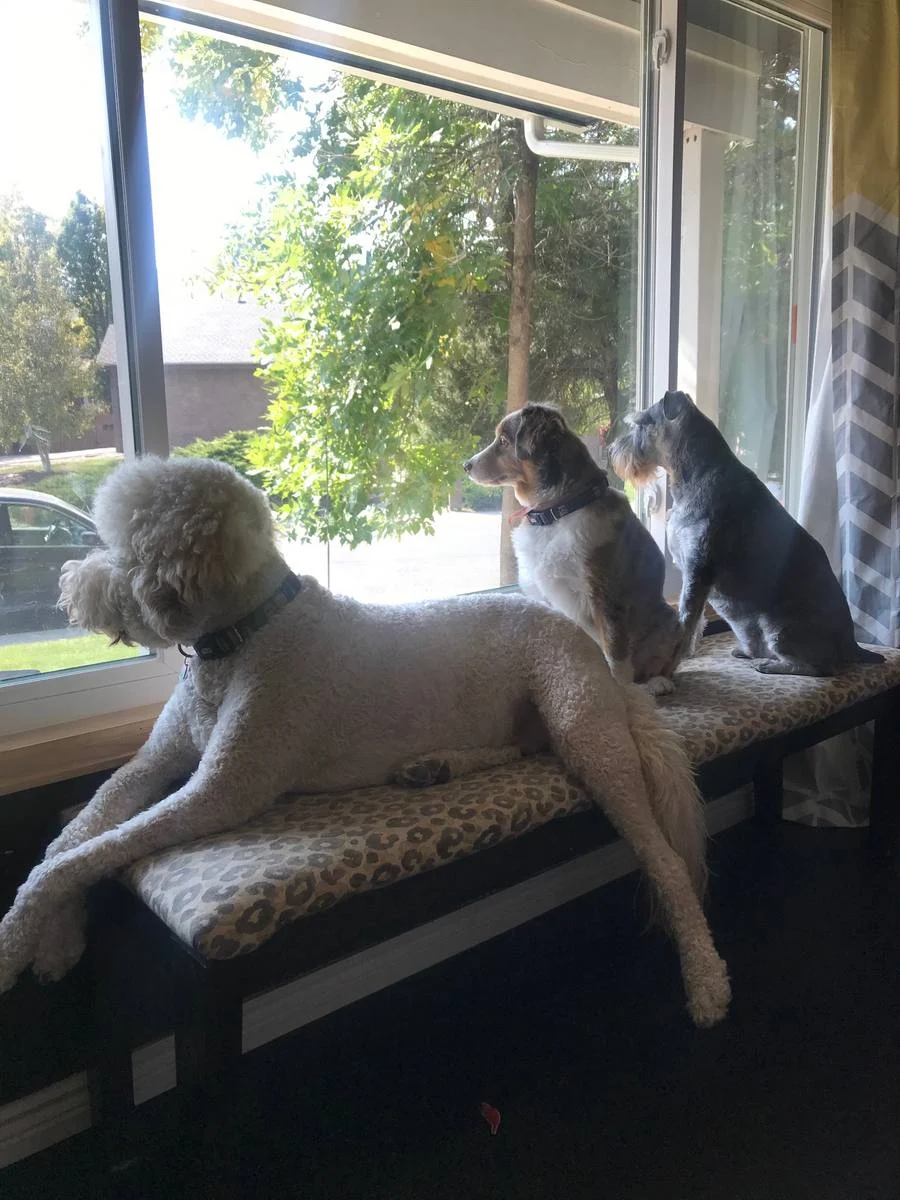
To prepare your home for a pet sitter, stock enough food, medication and supplies for the whole trip plus a few extra days, leave a working key and every code, set the thermostat, write down the Wi-Fi, put your pet’s routine and vet details on paper, sign a vet authorization, list emergency contacts, and say clearly which rooms are off-limits. Most of it takes an evening. The rest of this guide walks through each item so nothing gets missed.
Start about a week before you leave. That gives you time to refill a prescription, cut a spare key and test a door code while you’re still home to fix it. If you’d rather work from a printable list, the pet care plan checklist covers the same ground in one page.
1. Supplies: enough for the trip, plus extra
Travel plans change. Flights get delayed and storms close roads. Leave enough for a few days beyond your return date.
- Food and treats. Unopened backup bags, the scoop you use, and a note with the exact amount per meal.
- Medication. Every pill, liquid and supplement, in its labeled container, with a refill on hand if the bottle is running low.
- Litter and waste bags. A full box of litter, a spare bag of it, and more poop bags than you think.
- Cleaning supplies. Paper towels, an enzyme cleaner for accidents, and trash bags, all in one spot.
- Leashes, harnesses and gear. Hang them by the door. Include a backup collar with ID tags.
2. Keys, codes and how to get in
A locked-out sitter is the most common avoidable problem. Test every way in before you go.
- A spare house key that you’ve tried in the lock, not one from a drawer you haven’t used in years.
- Garage door code, keypad code, and the gate or building fob if you have one.
- Alarm system code, how to arm and disarm it, and the alarm company’s phone number.
- Let a trusted neighbor know a sitter will be coming and going, so nobody worries about a stranger at your door.
3. Thermostat and the house itself
Set the heat or air to a temperature that’s comfortable for your pets, not an empty-house setting. In a Colorado winter, that also keeps pipes from freezing. Then leave a short house note:
- Where the water shut-off and breaker box are.
- Any appliance with a quirk: the dishwasher that leaks, the back door that sticks.
- Trash and recycling days, and which bins go to the curb.
- Plants that need water, and how much.
- Whether to bring in mail and packages, and where to put them.
4. Wi-Fi and the small stuff
Write down the Wi-Fi network and password. If you have a smart lock, camera or thermostat, say so, and say whether your sitter should touch it. If you have cameras inside the home, it’s good practice to tell your sitter where they are.
5. Your pet’s routine, written down
Your pet’s day is the most important page you’ll leave. Write it the way it really happens, not the ideal version.
- Meal times, amounts and any food rules (no table scraps, slow feeder, separate bowls).
- Medication schedules: what, how much and when, with meals or without.
- Walk times, routes, and anything your dog reacts to on the way.
- Bedtime, where each pet sleeps, and the words or cues they know.
- Hiding spots, escape habits and fears: thunder, the vacuum, the doorbell.
- What normal looks like, so your sitter can tell when something is off.
For a fuller list of what to put on the counter, see what to leave your pet sitter.
6. Vet information and authorization
Leave your vet’s name, address and phone number, and the nearest emergency animal hospital. Then call your vet before you leave and ask how they handle a sitter bringing your pet in. Many clinics will ask for a signed note that authorizes the sitter to approve treatment while you’re away, and a spending limit. Put a copy of that note with your pet’s vaccination records.
7. Emergency contacts
- Your cell number, and how to reach you if you’ll be out of signal.
- A local backup person who has a key and can make decisions if you can’t be reached.
- Your plumber, and your landlord or HOA if you have one.
8. Rooms that are off-limits
Say plainly which rooms your sitter can use and which stay closed. Close those doors before you leave, and tell your sitter if a pet is allowed in a room they aren’t. Put away anything valuable or private. Clear rules protect both of you.
How Hope’s walkthrough and care plan cover this
Hope doesn’t leave any of this to memory. Before your first booking, Hope or one of her sitters comes to your home for a free walkthrough. You show them the supplies, test the key and codes together, and go through each pet’s routine, medications, quirks, vet and emergency contacts. They also ask which rooms your sitter can use.
All of it goes into a written care plan, so nothing depends on a hurried note at the door. On a stay, your sitter does a photo walkthrough when they arrive and when they leave, sends at least one text and photo every day, and cleans the spaces they used. On house sitting stays, mail, plants, lights and trash are part of the job. If something seems wrong in the house or with your pet, you hear about it right away.
More planning help is in Hope’s pet care guides.
Get the checklist
The pet care plan checklist puts every item on this page into one printable list you can fill in and leave on the counter.
Open the pet care plan checklistThe short version
Before you leave, make sure your sitter has these.
- Food, meds and supplies, plus extra
- A tested key and every code
- Thermostat set, house notes left
- Your pet’s routine in writing
- Vet details and signed authorization
- Emergency and backup contacts
Getting your home ready
How far ahead should I prepare for a pet sitter?
About a week. That leaves time to refill medication, cut and test a spare key, and call your vet about authorization while you’re still home.
Should I leave the heat or air on for my pets?
Yes. Set it to a temperature that’s comfortable for your pets, not an empty-house setting. In winter, that also helps keep pipes from freezing.
What vet information should I give my sitter?
Your vet’s name, address and phone, the nearest emergency animal hospital, vaccination records, and a signed note authorizing your sitter to approve care while you’re away. Ask your vet what they need.
Is it OK to keep some rooms off-limits?
Yes, and it’s best to say so clearly. Close those doors before you leave. Hope asks which rooms your sitter can use at the walkthrough, and your sitter uses only those.
Do I need to write everything down if we meet first?
With Hope, the walkthrough becomes a written care plan, so you don’t have to write it all yourself. It still helps to have supplies, keys and vet details ready before the walkthrough.
Let Hope build the plan with you.
Hope or one of her sitters walks your home, meets your pets and turns it all into a written care plan. No charge, no obligation.
Insured. Westminster local. Your pets stay home.
Thank you. Hope has your request.
She'll reach out personally to set up your free walkthrough. If your trip is coming up soon, call or text 720-786-0801.